
Greenburgh Neighbors Through Block Records
A Greenburgh block search works best when each source has a narrow role. The Town of Greenburgh map can show the parcel relationship around one address, while a Greenburgh assessment card can identify an assessed owner and mailing block. A Greenburgh deed can place a party in an ownership transaction at a stated time. None of those sources creates a current household list. They are records about land, transactions, and public administration, so the result should remain a dated Greenburgh parcel worksheet rather than a claim about everyone who may live nearby.
| Source | What It Shows About a Block | Access |
|---|---|---|
| Town GIS and CAI property card | Parcel polygons, address, SBL, displayed owner and mailing block, class, units, districts, assessments, sales and permit clues | Public map; Identify works on adjoining and across-street parcels. It does not prove occupancy. |
| Greenburgh tax map or survey | Lot boundaries, frontage, subdivision relationships, map references, and legal parcel context | Linked from a Greenburgh parcel card when available, or obtained through the office/request route. Check the map date. |
| Greenburgh building record request | Selected certificates, open permits, violations, plans, surveys, and permit dates for a defined property | Written Greenburgh request; the town gives up to 15 business days and charges can apply to copies. |
| Westchester Records Online for Greenburgh land | Deed parties, recording dates, legal descriptions, plats, maps, and title chronology | Free discovery; images and reports require an account or fee. |
| Westchester County Archives | Historic Greenburgh deeds, maps, estates, naturalizations, photographs, and local-history files | Elmsford Reading Room Tuesdays and Wednesdays, 9 a.m. to 4 p.m.; research by mail is available. |
| Greenburgh library local history and newspapers | Dated community notices, events, organizations, photos, oral histories, and older place names | Digitization and collection access vary; schedule the Greenburgh Local History Librarian for the fuller collection. |
A displayed Greenburgh owner can be an LLC, an estate, a trust, or a person whose correspondence goes elsewhere. Likewise, a Greenburgh parcel can include more than one unit or no visible house. Keep the physical address, SBL, map date, and source link together, and state what each item does and does not show.
Set a Greenburgh Block Boundary Before Comparing Parcels
Greenburgh’s documented method is spatial, not a radius search. Begin with the selected Greenburgh parcel, then use the Greenburgh GIS Identify tool on parcels that touch it and on parcels directly across the visible road. A Greenburgh corner lot, shared driveway, railroad right-of-way, condominium common area, paper lot, or village boundary can make a simple house-number range misleading. Record why each parcel belongs in the set instead of widening the search until it looks like a roster.
The Town of Greenburgh has six incorporated villages and several unincorporated neighborhoods. Postal wording can add another layer: a Greenburgh parcel may carry a White Plains, Scarsdale, Elmsford, or Tarrytown mailing label. The Greenburgh parcel and its custodian establish the relevant jurisdiction, not a postal city alone. Former SBL and Alternate ID fields are also worth preserving when a current address does not line up cleanly with an older Greenburgh map or record.
Map Greenburgh Neighbors: Parcels and Owners
The Greenburgh GIS instructions support a repeatable walk around one address. Use the exact address or dotted Greenburgh parcel number to open the right parcel first, then move one Greenburgh parcel at a time. The sequence below documents the block without making an unsupported claim about who is currently at each door.
- Open the Town of Greenburgh GIS, accept the notice, and search using the street number and street name only, or use the dotted parcel number.
- Select the matching Greenburgh parcel, note its address and SBL, then minimize the popup so the surrounding map is visible.
- Use Identify to click or hover on each adjoining and directly opposite Greenburgh parcel. Record the popup address, parcel relationship, and any corner, driveway, or multiple-lot issue.
- Choose Assessment for each confirmed Greenburgh parcel and save the card, tax map, survey, or building sketch only as a source reference.
- Where an ownership date matters, use the Greenburgh parcel’s legal description to trace the deed in Westchester Records Online, checking the description before linking records.
The full named-street chain belongs on the Greenburgh street directory page. For the immediate block, stop at the documented adjoining and across-street parcels rather than turning a map exercise into a street-wide list.
Greenburgh Neighbors on Parcel Cards
The Greenburgh assessment view is useful because it separates parcel facts from assumptions about a household. The public Greenburgh card can show the location and owner mailing block, parcel ID, property class, living units, Alternate ID or Former SBL, school and special districts, acreage, assessment, exemptions, recent sales, and recent permit information. Those Greenburgh parcel facts are leads for comparing properties, not a census of the people on the block.
Start with the official Greenburgh parcel map interface before relying on a copied address. Its documented search flow connects the map to the Assessment tab and property-card links.
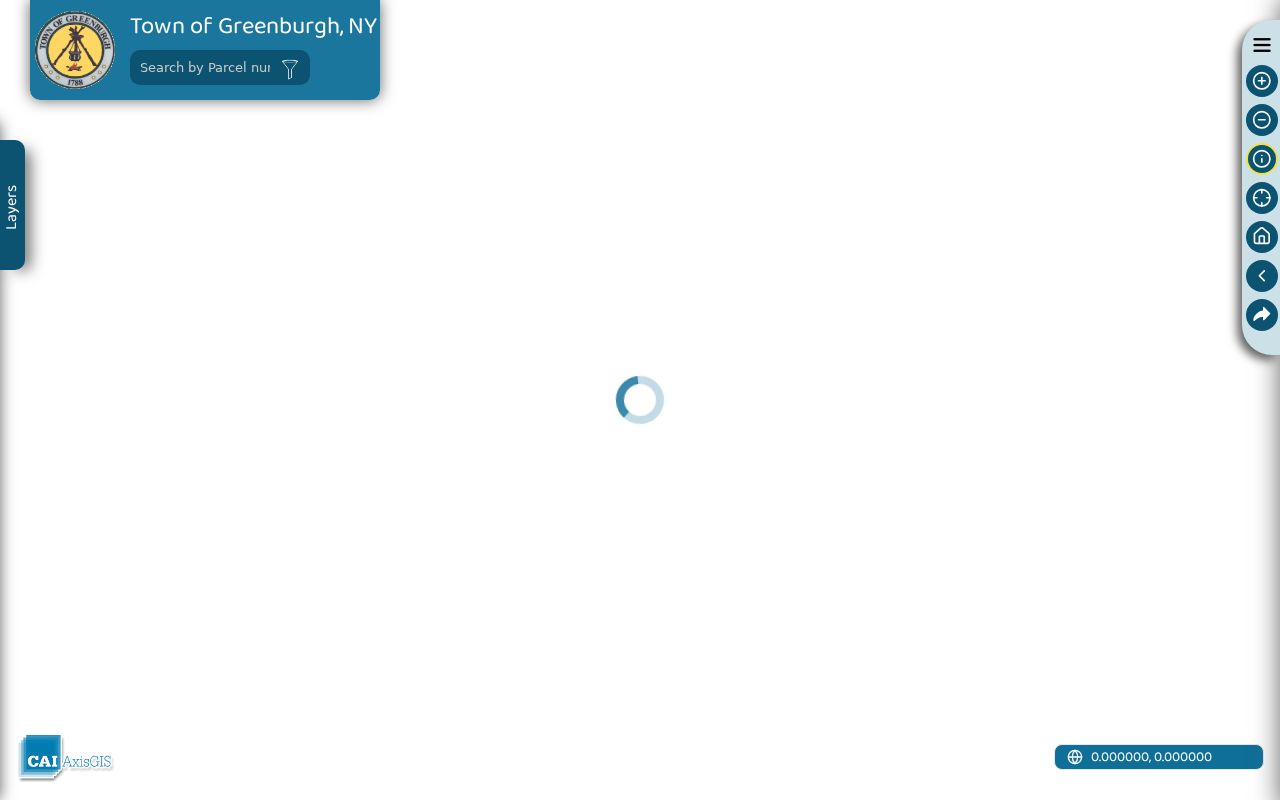
The map view is a reminder that adjacent parcels need to be identified individually. A mailing city, exemption flag, or owner line may help frame a follow-up question, but it does not establish the current occupants of that address.
| Greenburgh address search | Enter street number and street name, omitting suffix words as the town guide directs. |
|---|---|
| Greenburgh parcel search | Use the dotted SBL-style parcel number when the address route is uncertain. |
| Greenburgh Identify | Use the map tool for adjoining and directly across-street parcel popups. |
| Greenburgh Assessment | Open the owner/mailing and assessment details for a selected parcel. |
| Greenburgh documents | Use the CAI Property Card, Tax Map, Survey, Building Sketch, Current Tax Rates, and Assessment Rolls links for their stated parcel purpose. |
Building Records Around a Greenburgh Block
When the public map does not answer a property-history question, Greenburgh does not offer an open permit-name search. The documented Greenburgh route is a building-record request through the Greenburgh Town Clerk. Provide the property address, parcel ID, or volume, sheet, block, and lot, plus the record type and approximate year where known. The Greenburgh form can request certificates, open permits, active violations, surveys, plans, and selected permit material.
The Greenburgh notice allows up to 15 business days. Its listed copy terms include no charge for certificate/open-permit and active-violation lists, $10 per certificate of occupancy or completion, and $0.25 per page for permit and violation copies. Greenburgh plans and surveys have separate terms, and building plans need an original owner authorization letter. That is a record-request route for a defined parcel, not a substitute for a block resident list.
Practical record note. Preserve the address, SBL, requested date range, record category, and response date so a later reader can distinguish a negative response from an unsearched file.
Community Context for Greenburgh Neighbors
The Greenburgh Town Clerk is the verified civic starting point. Its stated Greenburgh duties include boards, commissions, and civic-association lists, so it can be asked for the name of a locality association and whether public contact information exists. The inspected town material does not publish a complete public member directory, a guaranteed current association roster, or a Greenburgh-wide association directory. That Greenburgh limitation should remain visible in any search plan.
| Town Clerk civic route | What it can provide | What it cannot establish |
|---|---|---|
| Civic-association list duty | The Town Clerk’s duties identify civic-association lists as a town function. | The inspected page does not publish a complete Greenburgh-wide association directory. |
| Focused locality request | Ask for the name of the association relevant to the area and whether public contact information is available. | Do not assume that a contact, meeting place, or officer identifies a current household. |
| Public-contact check | Use only contact information the Town Clerk confirms is public. | There is no verified public member directory or guaranteed current association roster. |
The official Greenburgh Town Clerk page is the source for the civic-association-list route and its broader records role.
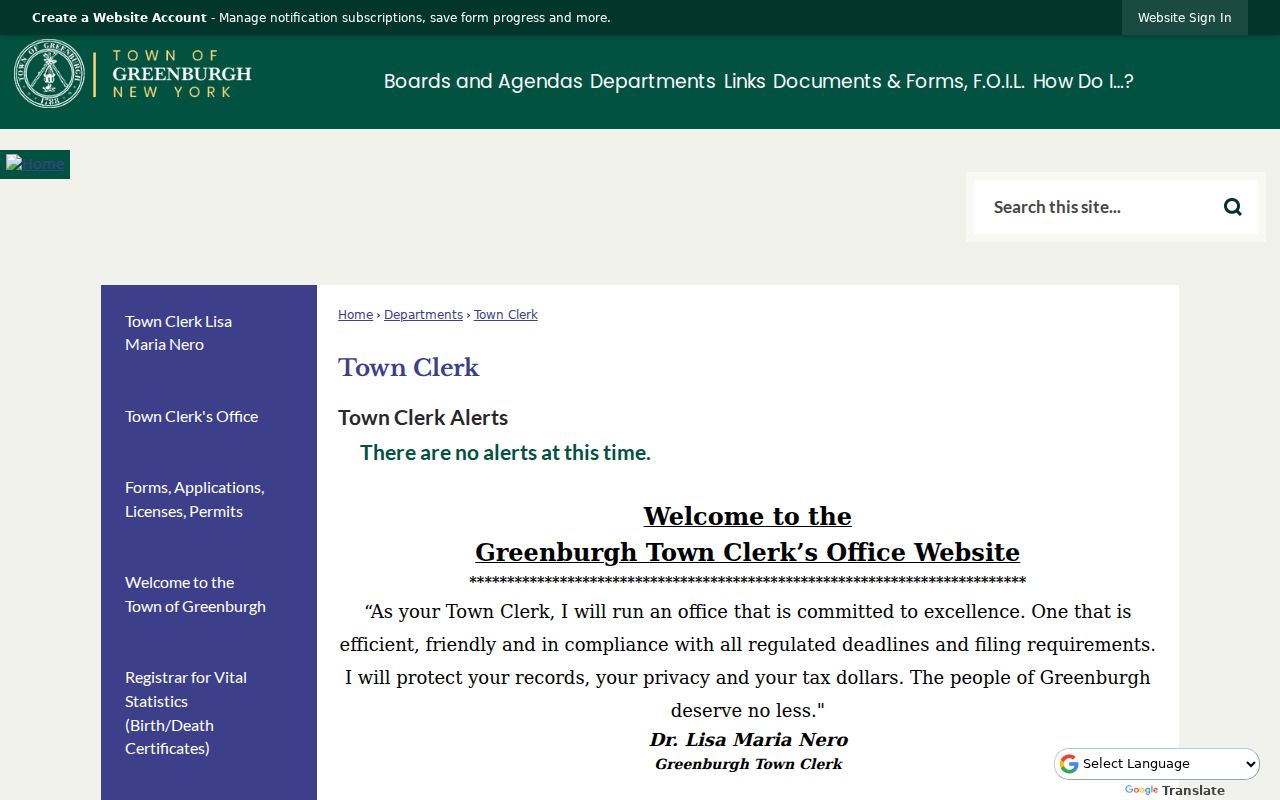
Use a dated newsletter, agenda, or notice as context for a street or area. Do not convert it into a claim that an officer, attendee, or every listed household currently resides at a particular address.
Greenburgh Official Records and Neighbor Tools
Official sources and commercial neighbor tools answer different questions. The first category identifies a custodian, date, field, and stated access boundary. Commercial tools can be convenient but may combine stale, incomplete, or mismatched data from different places. Neither category changes the distinction between an assessed owner, a mailing recipient, a recorded deed party, and an actual occupant.
| Official parcel and deed records | Best for a documented parcel relationship, owner line, legal description, transaction date, or map reference. Access limits and image fees are stated by the custodian. |
|---|---|
| Official local-history sources | Best for dated neighborhood context, such as a newspaper notice, map, photo, or historic locality name. A citation should include the collection and date. |
| Commercial neighbor tools | May be useful as a prompt for questions, but their data quality, update timing, pricing, and source path can be unclear. Treat any result as unverified until checked with an official or primary source. |
The state voter lookup is not a block-browse option. It requires county, name, date of birth, and ZIP for an individual confirmation, while voter-file requests require an elections-purpose statement under Election Law § 3-103(5). It should not be used to publish a neighborhood roster.
Historic Context for Greenburgh Neighbors
For a past block question, layer the map and deed trail with Greenburgh Public Library material and County Archives records. The library’s digitization work identifies the Hartsdale Times, Elmsford Herald, and Edgemont Echo, as well as maps, books, diaries, veteran interviews, and photographs. The Archives adds county deeds, maps, naturalizations, estate files, and historical-society collections. Each source can explain how a place was described at a particular date.
Historic searches need locality translation. Hartsdale, Greenville/Edgemont, Elmsford, White Plains, Scarsdale, Valhalla, and river communities can appear in a directory or newspaper heading even when the present parcel is in the Town of Greenburgh. The 1915 atlas and current parcel card make a practical bridge: match a historic road, estate, farm reference, or neighboring owner to a current SBL before assuming that an old street label has the same footprint today.
Privacy Limits for Greenburgh Neighbors
Property cards identify parcel attributes, not every person connected with a place. Non-owner household members do not generally appear in ownership data. Utility and delivery accounts are not public parcel records, and DMV personal address information is restricted by the federal Driver’s Privacy Protection Act. New York’s Address Confidentiality Program can supply a substitute address for eligible participants, and protected voter procedures create additional limits. A missing address is not an invitation to search around those protections.
New York FOIL, in Public Officers Law Article 6, §§ 84-90, makes many government records available but also requires agencies to protect exempt material. A request should be limited to the public record needed for a defined property, historical, civic, or verification question. Where an official record appears to contain a sensitive identifier, ask the custodian how it should be handled rather than copying it elsewhere.
Lawful use. Use block records for civic curiosity, family history, property research, or a specific public-record question. New York Penal Law Article 120 covers stalking offenses; do not use records to watch, harass, intimidate, or harm anyone.